
Trading Rule #17 – Trade Plan Meets Volatility
In the last 2 articles (Trading Rule #15 and Trading Rule #16) we discussed volatility and trade planning. But in trade planning, we missed out the “setup” part.
Now, we’ve touched on this before. The FORMAT of your setup rules is the format that you like the best, the one you find easiest to read. Rules can be dynamic, for example “if x happens and a lot of buyers step in”.
What you should define “per setup”:
- When you’ll trade it (times and market conditions)
- What the event/trigger is
- Position sizing strategy (all in/out, scale in, scale out)
- Stop strategy (how to id and manage losers)
- Profit strategy (how to get the most from winners)
The format though? Whichever you prefer.
The interesting thing about your setup is that it is a set of rules that need to be adjusted each time you trade.
The best analogy I can think of is the Bench Press. The rules are:
- Spotter helps you get the bar off the rack
- Then for 8-10 times you
- Slowly lower the bar to your chest
- Slowly raise the bar
- Spotter helps you get the bar back on the rack
Now, if you’ve ever done bench press, you will know that this is the best case scenario. I once dropped 220lbs on my nose because my spotter had spotted something else. That was not in my plan.
Each time you lower that bar, each rep. That’s like your setup. You can fail or you can make it. But sometimes the market throws a curveball…
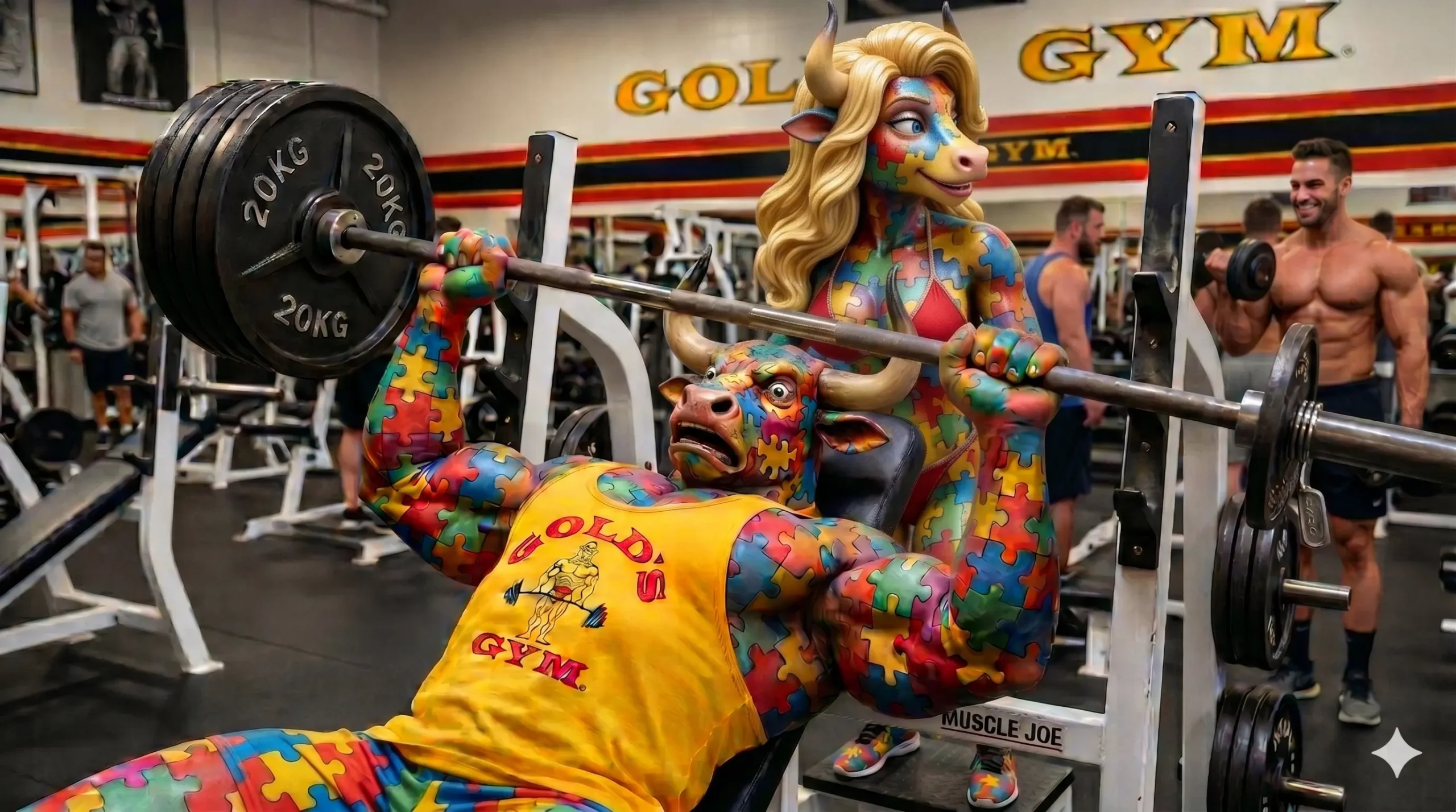
This is a different market. One that needs an adjusted approach. It’s still up and down though. Same setup.
These changes are mostly volatility changes but setups can stop working altogether. Let’s say you trade swings and place a stop 3 points below the swing low. Volatility shoots up and now you need that 3 point stop to be 6 points but also, you got in later because of the speed and your stop distance from entry is going to be 10 points instead of 5.
Of course, you adjust your stop but also:
- You need to reduce size
- You need to capture a bigger target
The first one because your risk per trade should not go up when the market is more volatile. The second because when volatility increases, there’s more opportunity.
Make Smarter Trading Decisions
Take a look into the decision making process of professional traders with this video training series that helps you make smarter trading decisions.
And your job as a trader is to make hay while the sun shines.
You can do this volatility adjustment based on the daily ATR:
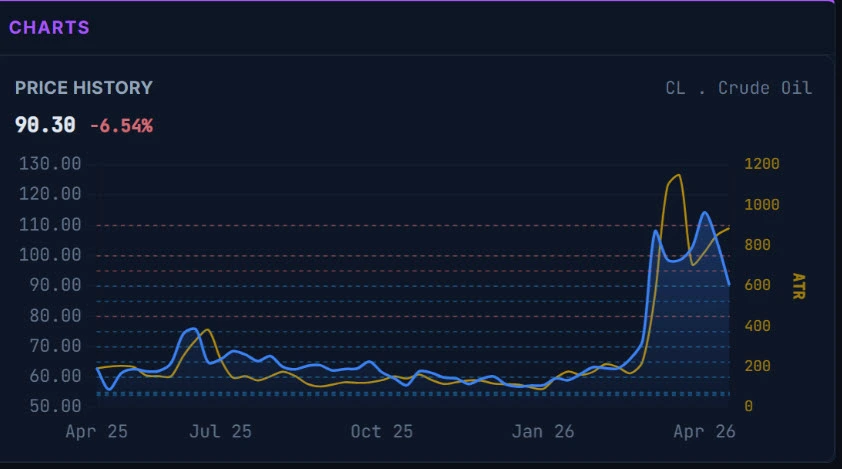
Crude Futures – blue line is price, brown is ATR (average daily range).
OR you could do it based on your read of the order flow. ATR is a “higher timeframe” indicator of volatility whereas order flow is a closer look.
If you do watch the DOM every day, it’s hard NOT to gain this skill. Sometimes it’ll spin your head with how fast OR slow it is. The open is a good clue, often, the pace of the open is the best indicator of the volatility of the day. All you have to do is be there to gain this skill.
Be there, watch it, absorb and soon enough, you’ll be gauging opens like a champ.
One thing, volatility does slowly change over time but it will change when events like FOMC, PPI etc come in or DJT sends a tweet. So you can start slow but be thrown into higher volatility.
There is no avoiding this adjustment. Each trade needs a consideration for volatility and size, preferably related to risk.
The lesson here: The format of the plan is irrelevant, the content though – must contain sizing and volatility adjustments. That should include levels of volatility that are too “hot” to touch.