
Trading Rule #14 – Why I Quit Stocks (And What It Taught Me About Adapting)
I’m writing this on 1st April 2026, and will reference current events. If you had a good trading month in March 2026, chances are that you adjusted to the market. Kudos to you. Many got swiped out by the volatility and DJT’s random announcements. A new trading term has emerged: the “Scam Candle”.
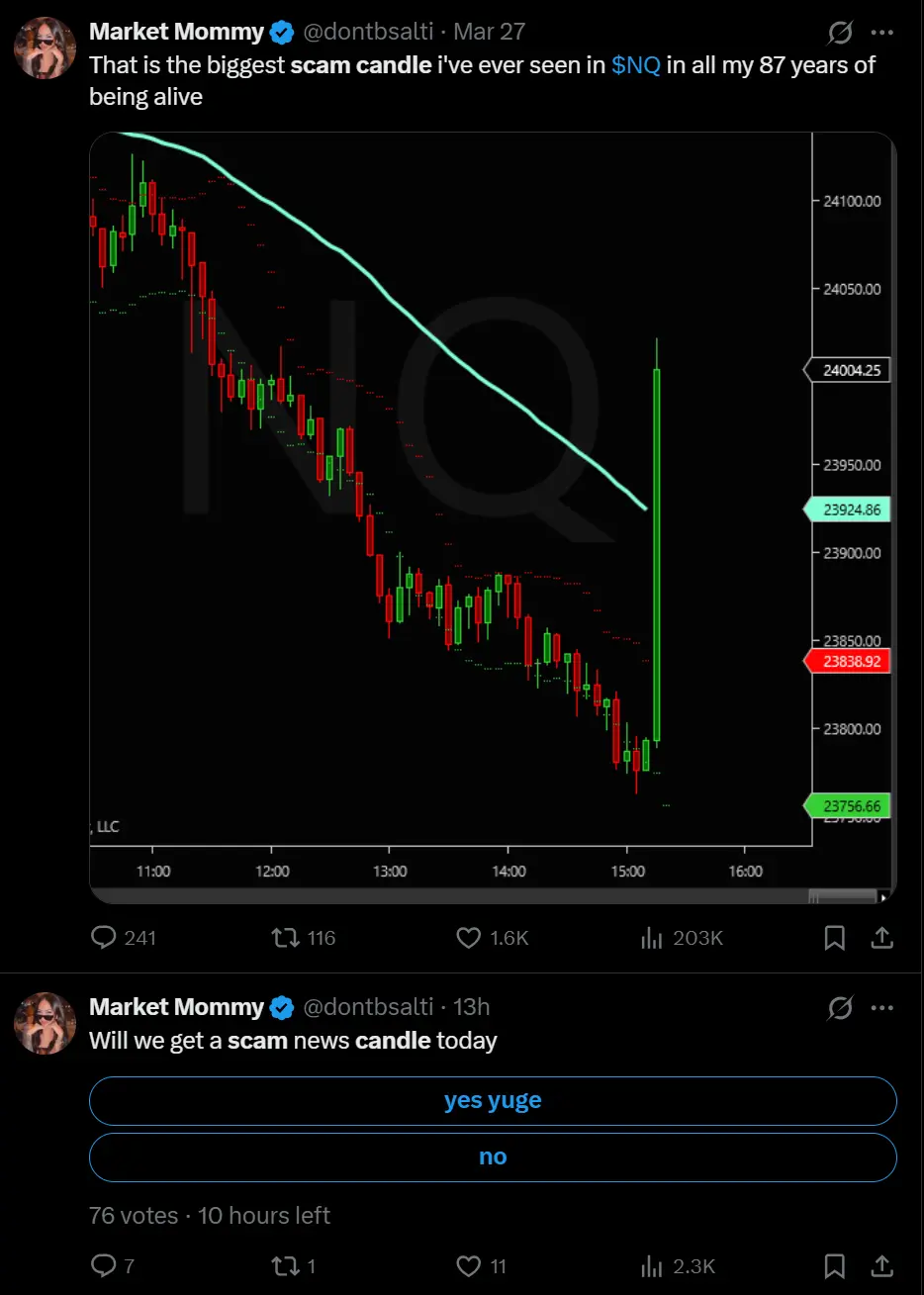
Good Times. In this article and the next, we are going to talk about “adjusting to the markets”. Because, if there’s one constant, it’s change.
FREE BONUS: Take a look into the decision-making process of professional traders with this video training series that helps you make smarter trading decisions. (Article continues below)
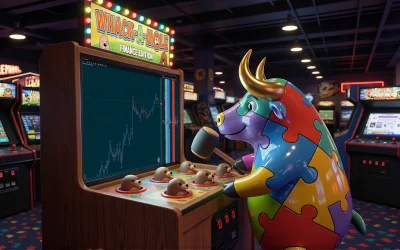
The markets are a moving target. As of writing, we are in the midst of a war in Iran. Geopolitical events like that change the market and as discussed, March was a very trying time to trade. So, trading feels a bit like this:

It’s always on the move, you might feel like you are sitting in one place but you are really on a market rollercoaster. This isn’t a bad thing, unless you ignore it. It’s your demise or your edge over others. Your Choice. I started out day trading stocks and that’s the ultimate in “shifting days”. Sites like Briefing.com really help you to find out what stocks are “in play” that day. And “In play” usually means:
- Quarterly earnings released pre-market or last night
- Broker upgrade/downgrade
- Significant News (like a product recall)
All good stuff, until you find that the move happened in the pre-market session (which I did trade) or that it had no impact. So, you might start the day with 20 stocks and then 15 either don’t do anything or have done it by the time you get there. So then you get onto scanners, looking across 6000 stocks, looking for something of interest. That usually shows up on the scanner too late to benefit from it. It was frustrating. Then a friend of mine got a job working for an independent trader, trading around USD$30M of boutique fund money. One trader had 4 researchers. They mostly focused on quarterly earnings reports. For those that don’t know:
- If you are a publicly traded company, you have to give out earnings estimated for the quarter
- Once a quarter there’s an “earnings season” where every day before or after the market is open, they give out “actual results”
- Some companies have a tendency to under-estimate and then “beat” at earnings time. Some have no pattern.
So the 4 researchers would present him every day with a smorgasbord of opportunities. Who was reporting, what they usually did (hit or miss), how the market reacted each time. If you’ve studied Axia Futures at all, you’ll know they do something similar on long running news stories like Brexit – they watched how the market reacted to positive/negative news and used that to establish a pattern. I am sure people are doing it with Iran right now. When I saw this guy and his 4 researchers, I decided to quit day trading stocks and moved to futures. I was chasing my tail on my own and this guy had such an information edge, it was clear to me that this was a barrier. On the other hand, the drivers behind Futures are fewer and much more available to all, which is good because that means more people reacting to it. In effect, many futures markets are “in play, every day”. Funnily enough, when my friend left this trader, the boutique fund offered him $100k to trade simply on the off chance that some of it rubbed off on him. He put that into an account at MF Global, literally weeks before they blew up, so we’ll never know. But the key in this lesson is simple. The market can feel like shooting fish from a rollercoaster but the drivers are quite clear and you can use those to enter or just to prepare for adjusted volatility.
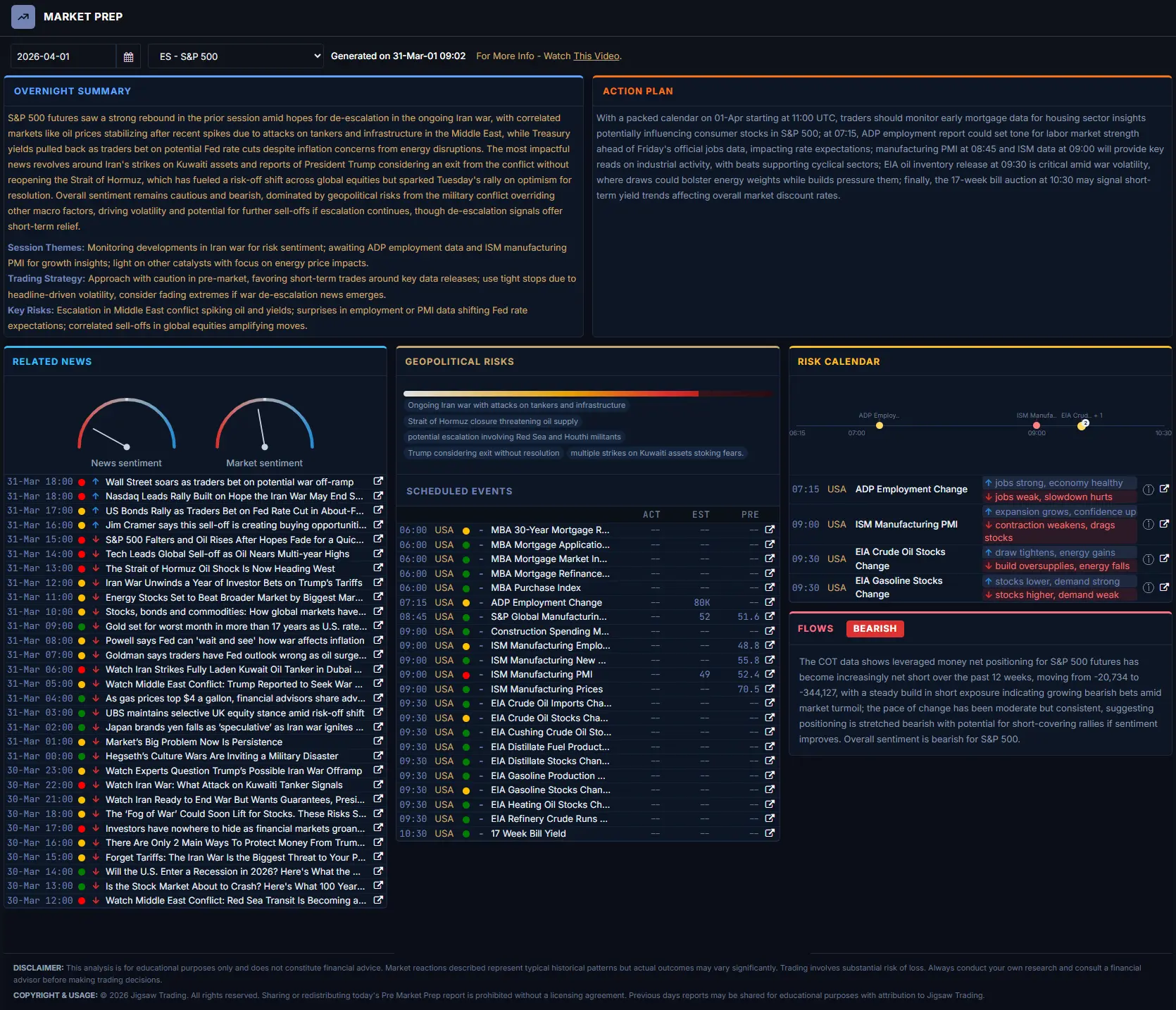
Every day is different and you don’t want to be “sideswiped” by volatility changes, you want to pre-empt them. Part of that is situational awareness, knowing what’s happening today. One way to do this is with Jigsaw’s Market Intelligence dashboard, which brings together the things most traders need to get a feel for how the day might play out. The rest – well, that’s for Part 2…
FREE BONUS: Take a look into the decision-making process of professional traders with this video training series that helps you make smarter trading decisions.

0 Comments